
Winter in Pennsylvania brings beautiful scenery and festive holiday spirit, but it also introduces significant risks for pedestrians. At McDonald At Law, we see a rise in pedestrian injuries during the colder months, primarily due to icy sidewalks, shorter daylight hours, and reduced visibility. Understanding how timing and temperature influence pedestrian accidents can help you make smarter decisions when walking outdoors during this challenging season.


Pedestrian accidents are more common than many realize, especially in Pennsylvania’s winter months. The combination of slick surfaces, poor weather conditions, and the frantic nature of the season contributes to an increase in accidents that often lead to serious injuries. Whether you are walking to work, heading out for a quick errand, or simply enjoying a winter walk, it’s important to understand the risks involved.
How Winter Conditions Affect Pedestrian Safety in Pennsylvania 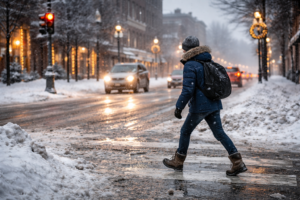
Every year, as winter sets in across Pennsylvania, we witness a sharp increase in pedestrian injuries, especially in urban areas like Philadelphia, Pittsburgh, and Lancaster. The state’s fluctuating temperatures, snowfalls, and winter storms create a particularly dangerous environment for pedestrians. To make matters worse, the combination of snow, sleet, and freezing rain makes it difficult to maintain proper footing when walking on sidewalks and crosswalks.
Here’s how winter weather contributes to the rise in pedestrian injuries:
- Icy Sidewalks and Roads: When temperatures drop below freezing, snow and rain can quickly turn to ice, making walking extremely dangerous. Sidewalks, parking lots, and even streets that appear clear of snow can still hide layers of ice beneath the surface. Pedestrians often don’t see the danger until it’s too late, resulting in slips and falls.
- Reduced Visibility: In addition to icy conditions, the shorter daylight hours of winter also pose a significant risk for pedestrians. Early sunsets and cloudy days reduce visibility, making it harder for both pedestrians and drivers to spot each other. This is especially dangerous during rush hour when people are commuting home from work or school, often in a hurry to get to safety.
- Cold Weather Effects: The intense cold that accompanies winter weather in Pennsylvania can slow down pedestrians, impairing their ability to react quickly to hazards. Many pedestrians dress warmly but neglect to wear proper footwear, making them more susceptible to slipping. Moreover, frigid conditions can lead to numbness in the extremities, reducing awareness of icy patches underfoot.
- Decreased Pedestrian Traffic: Interestingly, the number of pedestrians may decrease during winter months, particularly during snowstorms or extreme cold. While fewer people may be walking in the streets, those who do are often less prepared for the conditions. With fewer pedestrians around, emergency help may also take longer to arrive if an accident occurs.
“Highly Recommended” is the epitome of an understatement when it comes to the firm of McDonald At Law!! Michael McDonald’s genuine pleasant, and empathetic demeanor masks his legal astuteness, and the level of aggressiveness he implements in pursuit of a victim’s right and the monetary compensation legally entitled to us. I was involved in a motor vehicle accident at the hands of an intoxicated driver in York County. In my case I suffered what I described as an atypical injury, Mr. McDonald offered to be my Lawyer immediately after explaining to him the events leading to and after being struck in turn causing me to have a heart attack, when another law firm seemed hesitant. McDonald At Law secured a sizable monetary compensation that not only met my expectation but exceeded it. Mr. McDonald’s wealth of experience, and legal prowess is priceless and never did he act as the case was beneath his practice. In the end my family and I were well compensated, but also felt justified. Thank you McDonald At Law!!- Miguel Lopez
When Are Pedestrian Injuries Most Likely to Occur in Winter?
While pedestrian injuries can happen at any time during the winter months, certain times and conditions make them more likely. Understanding when these accidents are most likely to occur can help pedestrians take precautions.
- Early Evening and Nighttime: One of the most dangerous times for pedestrians in winter is after sunset. Reduced daylight means that it’s harder for drivers to see pedestrians, especially in poorly lit areas. Pedestrians, too, may struggle to see icy patches on the ground or other hazards. Many pedestrian accidents occur just before or after the rush hour, when drivers are less alert and pedestrians are eager to get home before it gets too late.
- Immediately After Snowstorms: The period immediately following a snowstorm is one of the most hazardous times for pedestrians. Streets and sidewalks are often covered in snow, and while many property owners try to clear their walkways, the snow and ice removal efforts often fall short. Pedestrians who walk on uncleared sidewalks or streets may not notice patches of ice or snow that are dangerous to walk on.
- Morning Frost: Even before the snow arrives, mornings during the winter can present serious dangers. Frost on sidewalks and roads can be incredibly slippery, often remaining undetected by pedestrians, especially when the air is still cold. The frost can lead to unexpected slips, especially for those not paying close attention to the conditions.
Putting off an Attorney due to Cost Choosing a Personal Injury AttorneyRelated Videos
The Role of Timing: Why Morning and Evening Are Risky for Pedestrians
Pedestrian accidents often happen during specific times of day, with morning and evening presenting the highest risk for walking injuries.
- Morning Rush Hour: During the morning commute, pedestrians may hurry to reach work or school, paying little attention to the icy conditions underfoot. Roads that appear clear may have hidden patches of ice or slush that pose risks to unsuspecting walkers. Pedestrians are more likely to be distracted during this time, worrying about being late or rushing to catch public transport, making them less aware of their surroundings.
- Evening Commute: The evening rush hour, especially during the winter months, is another time when pedestrian injuries are more likely to occur. By this time of day, streets are often covered in grime and slush from salt spread by local authorities, and any snow that has fallen earlier in the day may not be fully cleared. As more people walk home in the evening hours, there’s a higher chance of accidents occurring.
What Steps Can Pedestrians Take to Protect Themselves?
While winter weather in Pennsylvania can be unpredictable, there are a number of proactive measures pedestrians can take to reduce their risk of injury during the winter months. Below are a few tips that may help protect you from a winter pedestrian accident:
- Wear Proper Footwear: Boots with a good grip and waterproof soles can significantly improve your traction on icy or snowy sidewalks. Avoid high heels, sandals, or shoes that don’t offer sufficient protection against slipping.
- Stay Visible: Reflective clothing and accessories can help you stay visible during the shorter days of winter. If you are walking during the evening or early morning hours, carry a flashlight or wear bright colors to ensure drivers can see you.
- Use Well-Lit Areas: Walk along streets or paths that are well-lit to increase your visibility. Stay away from poorly lit areas where you might not be able to see potential hazards. Pedestrians in poorly lit areas are at a greater risk of both traffic accidents and slip-and-fall injuries.
- Watch for Ice: Always be on the lookout for ice, especially in shaded areas where snow hasn’t melted yet. Keep a safe distance from vehicles, as they can splash slush or spray on pedestrians. Walk cautiously and take smaller steps when navigating icy paths.
- Report Unsafe Conditions: If you notice dangerous walking conditions—such as uncleared sidewalks or ice buildup—report them to local authorities or property owners. Timely snow and ice removal can reduce the risk of pedestrian accidents in your area.
Verdicts & Settlements
What to Do After a Pedestrian Injury in Pennsylvania
If you or a loved one is injured in a pedestrian accident, taking immediate steps can make all the difference in your recovery and any legal claim you may file.
- Seek Medical Care: Even if you believe your injuries are minor, it’s important to seek medical attention. Winter injuries like slips and falls can lead to more severe complications, such as fractures, concussions, or sprains. A medical professional can properly assess your injuries and provide you with the necessary care.
- Document the Scene: Take pictures of the accident site, including the condition of the sidewalk or road. Photographs of the ice, snow, or other hazardous conditions can serve as crucial evidence in proving fault if you decide to file a personal injury claim.
Contact an Attorney: In Pennsylvania, it’s essential to work with a skilled personal injury attorney if you’ve been injured as a pedestrian in a winter accident. McDonald At Law can help you navigate the legal process, including dealing with insurance companies, gathering evidence, and pursuing compensation for medical bills, lost wages, and pain and suffering.
To learn more about this subject click here: Pedestrian Accidents and Legal Representation: Choosing the Right Attorney in Pennsylvania

 
 |


 |