
Winter brings a special set of challenges to Pennsylvania’s roads. The cold temperatures, snow, ice, and reduced visibility make driving hazardous, especially for large trucks. When a truck accident happens in these conditions, the consequences can be devastating. Whether you’re dealing with injuries, property damage, or wrongful death, it’s crucial to gather the right evidence to build a strong case. Here’s a detailed look at the critical evidence that matters most after a winter weather truck accident in Pennsylvania, ensuring that you have the best possible chance of receiving the compensation you deserve.



Weather Reports and Road Condition Documentation 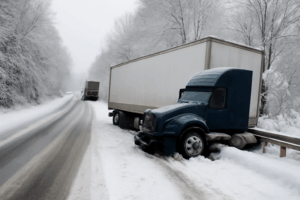
After a truck accident in winter conditions, the weather at the time of the crash is one of the most important factors to consider. Weather reports provide evidence of visibility, road conditions, and temperature, all of which can significantly impact the truck’s ability to stop or maneuver safely. Pennsylvania Department of Transportation (PennDOT) typically issues reports on snowplowing and road conditions, which can help demonstrate whether road conditions were a contributing factor. These reports can be accessed through local authorities or weather websites.
Additionally, it’s important to consider the time of day. If the accident occurred during a time when visibility was poor due to fog or snow, this information becomes critical to establishing that the weather played a substantial role in the crash.
The trucking company’s responsibility to ensure that their drivers are prepared for winter driving conditions must be considered as well. If they failed to address road hazards appropriately, this can indicate negligence.
Photographs and Videos from the Scene
One of the most important types of evidence to collect after a winter truck accident is photographic and video documentation. These can provide invaluable insight into the conditions at the time of the crash. When snow or ice is present on the road, it is important to photograph the condition of the road, any visible ice patches, or debris. Additionally, take pictures of any skid marks that might indicate the driver’s attempt to stop or slow down.
Photographs should also document the vehicles involved in the accident, including their position and the extent of the damage. Skid marks, tire tracks, and the positions of vehicles in relation to each other can help investigators understand how the accident unfolded.
In cases where dashcam footage is available, it can be especially useful in providing a clear, unbiased view of the events leading up to the accident. If dashcams were not available, any nearby security cameras that may have captured the crash or the road conditions should be sought out.
“Highly Recommended” is the epitome of an understatement when it comes to the firm of McDonald At Law!! Michael McDonald’s genuine pleasant, and empathetic demeanor masks his legal astuteness, and the level of aggressiveness he implements in pursuit of a victim’s right and the monetary compensation legally entitled to us. I was involved in a motor vehicle accident at the hands of an intoxicated driver in York County. In my case I suffered what I described as an atypical injury, Mr. McDonald offered to be my Lawyer immediately after explaining to him the events leading to and after being struck in turn causing me to have a heart attack, when another law firm seemed hesitant. McDonald At Law secured a sizable monetary compensation that not only met my expectation but exceeded it. Mr. McDonald’s wealth of experience, and legal prowess is priceless and never did he act as the case was beneath his practice. In the end my family and I were well compensated, but also felt justified. Thank you McDonald At Law!!- Miguel Lopez
Dashcam and Electronic Log Data
Commercial trucks are often equipped with dash cameras and electronic data recording systems. Dashcam footage can provide a first-hand account of the truck driver’s behavior leading up to the accident. It can show whether the driver was speeding, making unsafe lane changes, or driving recklessly in the snow or ice.
In addition to dashcam footage, the black box or electronic logging device (ELD) data from the truck can offer valuable insights. These systems monitor the truck’s speed, braking, and driving patterns in real time. This data can help establish whether the driver was following appropriate safety protocols, such as adjusting speed for weather conditions, or whether their actions were a direct cause of the accident.
Police Reports and Accident Investigation Records
Law enforcement typically investigates accidents to determine whether traffic laws were violated. The police report from the scene of the accident is a critical piece of evidence. It contains key information, such as the official cause of the accident, witness statements, and the officers’ analysis of what went wrong.
Additionally, if the officer suspects that the driver was under the influence of drugs or alcohol, this will be documented in the report. In winter accidents, it’s also important to assess whether the driver was properly prepared for winter conditions, such as whether they had chains on their tires or were driving too fast for the conditions. These findings, recorded by the police, can significantly impact the outcome of your case.
Truck Maintenance and Inspection Records
Winter weather exacerbates any pre-existing issues with a truck. If the truck was not properly maintained, it may have been more likely to lose control or fail in snowy or icy conditions. For example, worn-out brakes, inadequate tire treads, or malfunctioning anti-lock braking systems (ABS) can all increase the risk of an accident.
Truck maintenance records, which include details of inspections and repairs, can provide important evidence regarding the truck’s readiness for winter driving. If it’s found that the trucking company did not properly maintain the vehicle, it could show that they were negligent in ensuring their trucks were winter-ready.
Putting off an Attorney due to Cost Choosing a Personal Injury AttorneyRelated Videos
Driver’s Logbook and Hours of Service Compliance
Truck drivers must adhere to federal regulations that limit the number of hours they can drive without rest. Fatigue is a significant risk factor in accidents, particularly during winter weather when road conditions require extra attention. If the driver was fatigued or violated hours of service regulations, this can be a major factor in determining fault.
A review of the driver’s logbook, including their hours of service records, can establish whether they were driving beyond the legal limits. Fatigue-induced accidents can be difficult to prove without these records, but they are an essential piece of the puzzle in determining negligence.
Eyewitness Testimonies and Statements
Eyewitnesses who were at the scene of the accident can provide valuable testimony. Their observations of the truck driver’s behavior, the weather conditions, and how the accident occurred can all support your case. Eyewitnesses may also notice things that others don’t, such as the truck’s speed, erratic driving patterns, or a failure to brake in time.
If possible, it’s important to gather statements from witnesses immediately after the accident. This helps ensure that their memories remain fresh and accurate.
Expert Testimony
In some cases, expert testimony is required to explain the technical aspects of the accident. For example, an accident reconstructionist could analyze the truck’s speed, braking, and the road conditions to determine the cause of the crash. Similarly, a meteorologist might provide insights into how the weather conditions impacted visibility or traction on the road.
Expert testimony can help clarify complex aspects of the case, particularly if the evidence is unclear or if multiple factors were involved in the accident.
Verdicts & Settlements
The Role of Expert Witnesses in Establishing Liability
When it comes to proving liability, expert witnesses can be crucial in demonstrating the complex factors involved in winter weather truck accidents. Whether it’s a forensic engineer analyzing the truck’s mechanical failure or a weather expert explaining the severity of road conditions, expert testimony can provide the evidence necessary to prove negligence and secure the compensation you deserve.
The aftermath of a winter weather truck accident in Pennsylvania requires careful and thorough collection of evidence. Each piece of evidence, whether it’s weather reports, photos, maintenance records, or expert testimony, plays a vital role in establishing the truth of what happened. The stronger the evidence, the better the chances of receiving a fair settlement or favorable verdict.
If you or a loved one has been involved in a truck accident during winter conditions, it’s essential to contact a skilled attorney who can help navigate the complex legal process. McDonald At Law is here to ensure your rights are protected and that you have the support you need to pursue justice. Call today for a free consultation and take the first step toward securing the compensation you deserve.
To learn more about this subject click here: Understanding Truck Accident Liability in Pennsylvania

 
 |


 |