
Crash scene photos are among the most powerful tools in strengthening your injury claim. These photos capture pivotal moments and crucial evidence that can support your version of events, help prove liability, and ultimately boost your chances of receiving fair compensation. This discussion delves into the importance of crash scene photos, how they play a role in various aspects of your case, and why having the right evidence can make all the difference.



The Role of Crash Scene Photos in Strengthening Your Claim 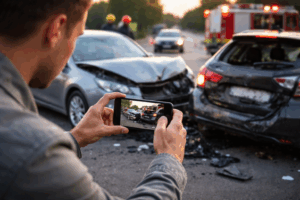
After an accident, the importance of having thorough documentation cannot be overstated. Whether you are involved in a car accident, slip and fall, or any other form of injury, the right evidence can significantly impact the outcome of your claim. McDonald At Law understands that documenting the crash scene with photos is one of the most vital steps in collecting evidence. It is essential not only for your protection but also to ensure that all details are preserved accurately.
Visual evidence plays a key role in cases where liability is disputed. In legal proceedings, crash scene photos are more than just pictures—they are irreplaceable proof that can influence insurance adjusters, attorneys, and juries. These images are capable of capturing important details that might otherwise be forgotten or overlooked as the memory of an event fades. This makes them a valuable asset for anyone looking to seek justice after an accident.
How Photos Establish Liability
One of the most critical elements of any injury claim is proving liability. In an accident, both parties may have different versions of what occurred, and it is your responsibility to establish who is at fault. Crash scene photos serve as a powerful tool for this purpose. They offer visual proof of the circumstances surrounding the incident and can highlight specific aspects of the accident that demonstrate negligence.
“Highly Recommended” is the epitome of an understatement when it comes to the firm of McDonald At Law!! Michael McDonald’s genuine pleasant, and empathetic demeanor masks his legal astuteness, and the level of aggressiveness he implements in pursuit of a victim’s right and the monetary compensation legally entitled to us. I was involved in a motor vehicle accident at the hands of an intoxicated driver in York County. In my case I suffered what I described as an atypical injury, Mr. McDonald offered to be my Lawyer immediately after explaining to him the events leading to and after being struck in turn causing me to have a heart attack, when another law firm seemed hesitant. McDonald At Law secured a sizable monetary compensation that not only met my expectation but exceeded it. Mr. McDonald’s wealth of experience, and legal prowess is priceless and never did he act as the case was beneath his practice. In the end my family and I were well compensated, but also felt justified. Thank you McDonald At Law!!- Miguel Lopez
For example, crash scene photos can showcase various forms of negligence, such as:
- Vehicle damage: Photos of the damage sustained by all vehicles involved in the crash can show how the collision occurred and the severity of the impact. In many cases, the positioning of the cars and the damage can directly point to the responsible party.
- Road conditions: If the road was wet, icy, or damaged in some way, crash scene photos can capture these dangerous conditions. This can be crucial in proving that the environment played a role in the accident.
- Traffic violations: If traffic signals were malfunctioning or stop signs were missing, photos can serve as evidence that the accident was caused by inadequate signage or road maintenance, which may indicate negligence on the part of a government entity or another party.
When you submit crash scene photos to your attorney, they can be used to demonstrate not just what happened, but why it happened. Whether it’s evidence of distracted driving or road defects, these images help establish the liability of the at-fault party.
Putting off an Attorney due to Cost Choosing a Personal Injury AttorneyRelated Videos
How Photos Support Your Injuries
In addition to supporting liability, crash scene photos can also play a role in documenting your injuries. Right after an accident, it’s crucial to take photos that show the extent of your physical harm. This helps create a timeline of your injuries and supports your claim for medical expenses, pain, and suffering.
- Immediate injuries: Photos of visible injuries such as cuts, bruises, and swelling taken immediately after the crash can serve as strong evidence that these injuries resulted directly from the incident. These photos can be used to establish the seriousness of your condition at the time of the accident.
- Long-term injuries: Sometimes, injuries might not show their full effect immediately. Photos of ongoing treatment, surgeries, or visible scars caused by the accident can further strengthen your claim. They offer proof of the enduring impact the incident has had on your life.
Having strong visual documentation of your injuries can also serve as a reminder to medical professionals of the original injury, helping to ensure that your treatment plan addresses all the necessary needs.
Backing Up Your Version of Events
When there are conflicting statements about the cause of the accident, crash scene photos can provide a clear and unbiased version of what transpired. These photos can corroborate your testimony and show the actual conditions surrounding the accident, which could be overlooked in verbal accounts.
- Weather conditions: Photos taken at the scene can capture weather-related factors like fog, rain, or poor lighting that could have contributed to the accident. These elements can help explain why the accident occurred and why you may not have been at fault.
- Street and traffic conditions: Images of the intersection, road markings, or visibility issues can help explain why the accident happened and show that the road conditions were not properly maintained or that another driver was at fault. If traffic lights were broken, a missing sign could play a crucial role in proving the defendant’s negligence.
Photographs taken at the scene make it much harder for an opposing party to argue a different version of events. This visual evidence holds strong weight in the eyes of a judge, insurance company, or jury.
How Crash Scene Photos Influence Compensation
Compensation for injuries is often based on the severity of the injury, the evidence presented, and the proof of liability. Having solid crash scene photos can dramatically improve your chances of obtaining a higher settlement. When insurance companies or defendants see concrete evidence that supports your claims, they are more likely to offer a fair settlement rather than face a lengthy court battle.
- Increased settlement offers: With clear photographic evidence, insurance adjusters and lawyers will have a much harder time disputing the facts of your case. This can lead to quicker and more substantial settlement offers.
- Expert analysis: In some cases, accident reconstruction specialists or engineers may be needed to interpret the crash scene photos. These experts can provide valuable insights into how the crash occurred, strengthening your case further.
Best Practices for Taking Crash Scene Photos
To maximize the effectiveness of your crash scene photos, it is essential to follow these best practices:
- Take multiple angles: Capture wide-angle photos of the scene as well as close-ups of the vehicles involved. Show the overall scene, the damaged cars, any skid marks, and any visible debris.
- Document all injuries: Take clear and close-up photos of any visible injuries, whether it’s bruising, swelling, cuts, or any other signs of harm.
- Photograph the surroundings: Include photos of road signs, traffic signals, and any environmental factors like potholes, debris, or weather conditions that could have contributed to the crash.
- Time and date stamps: Whenever possible, use a camera or smartphone that includes time and date stamps to ensure the evidence is time-sensitive and credible.
When it comes to personal injury claims, the evidence is everything. Crash scene photos provide undeniable proof of what happened, why it happened, and how it affected you. At McDonald At Law, we understand the importance of thorough documentation in building a strong case for our clients. If you’ve been involved in an accident, taking photos of the crash scene is one of the most important steps you can take to protect your future and maximize your compensation.
Don’t hesitate to reach out for a free consultation. Let McDonald At Law guide you through the process of gathering the necessary evidence and fighting for the compensation you deserve.
To learn more about this subject click here: Five Signs of Hidden Injuries After a Car Crash in Cold Weather

 
 |


 |