
As the cold weather settles over Central Pennsylvania, so does the risk of car accidents. While icy roads and snowy weather are well-known contributors to accidents during the winter months, there’s another often-overlooked factor that dramatically increases the likelihood of crashes: drowsy driving.



Drowsy driving is a silent killer, just as dangerous as driving under the influence of alcohol. During the winter months, when people tend to drive longer distances, travel during odd hours, or deal with the physical fatigue from shoveling snow or dealing with cold temperatures, the risk of driving while fatigued escalates. It’s a combination of factors that can lead to potentially disastrous outcomes. Understanding this risk is crucial, and it’s important to take steps to prevent drowsy driving from becoming a cause of your accident this winter.
What Is Drowsy Driving and Why Is It So Dangerous? 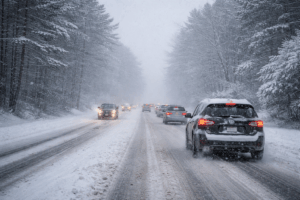
Drowsy driving refers to operating a vehicle while tired, fatigued, or sleep-deprived. In its most extreme form, it occurs when a driver falls asleep at the wheel, but it also includes a range of impairments such as reduced reaction time, lack of focus, and an inability to make good decisions. Drowsy drivers often display the same characteristics as drunk drivers, such as delayed reflexes and poor judgment.
According to the National Highway Traffic Safety Administration (NHTSA), over 100,000 crashes annually are caused by drowsy driving, and these accidents result in more than 1,500 deaths and 71,000 injuries. Many of these crashes occur in the early morning hours or during late-night drives when the body’s natural circadian rhythms are at their lowest. In the winter, with the added stress of colder temperatures and unpredictable weather, the risk of drowsy driving increases even more.
Winter Driving Conditions in Central Pennsylvania: A Recipe for Disaster
In Central Pennsylvania, winter weather is not just a seasonal inconvenience—it’s a driving hazard. The region is well-known for its heavy snowfall, icy conditions, and harsh winter storms. Roads can become slick and dangerous within minutes of a storm starting, making it difficult for even the most cautious drivers to maintain control of their vehicles.
For drowsy drivers, these challenging winter conditions can be particularly dangerous. Fatigue impairs a driver’s ability to react quickly in an emergency, such as when they encounter a patch of ice or snow on the road. Reduced visibility from snow or fog, combined with a driver’s impaired reaction time, can lead to severe accidents. In fact, winter is one of the most hazardous times of the year to be on the road, and when combined with drowsiness, the danger is even higher.
“Highly Recommended” is the epitome of an understatement when it comes to the firm of McDonald At Law!! Michael McDonald’s genuine pleasant, and empathetic demeanor masks his legal astuteness, and the level of aggressiveness he implements in pursuit of a victim’s right and the monetary compensation legally entitled to us. I was involved in a motor vehicle accident at the hands of an intoxicated driver in York County. In my case I suffered what I described as an atypical injury, Mr. McDonald offered to be my Lawyer immediately after explaining to him the events leading to and after being struck in turn causing me to have a heart attack, when another law firm seemed hesitant. McDonald At Law secured a sizable monetary compensation that not only met my expectation but exceeded it. Mr. McDonald’s wealth of experience, and legal prowess is priceless and never did he act as the case was beneath his practice. In the end my family and I were well compensated, but also felt justified. Thank you McDonald At Law!!- Miguel Lopez
How Drowsy Driving Impairs Your Ability to Drive Safely
Driving requires full mental focus and quick decision-making abilities. Drowsiness compromises both of these, which makes it harder to handle the typical driving challenges that winter brings. The effects of sleep deprivation include:
- Slower reaction times: When tired, the brain doesn’t respond as quickly to stimuli. This means that if a driver suddenly encounters a dangerous situation—like an unexpected stop or a slippery road—they may not react fast enough.
- Reduced attention span: Drowsy drivers are less able to focus on the task at hand. This means they might fail to notice important road signs, traffic signals, or other drivers’ behavior.
- Poor judgment: Fatigue impacts decision-making skills. Drowsy drivers may make risky decisions, like speeding, changing lanes without checking their mirrors, or not slowing down enough when approaching a turn or curve.
Winter conditions, with their snow, ice, and freezing rain, make driving more difficult under the best of circumstances. When you add drowsiness into the mix, these already hazardous conditions become even more dangerous.
The Statistics: How Drowsy Driving Affects Winter Accidents in Central Pennsylvania
Studies reveal alarming statistics about the dangers of driving while tired, especially during the winter. According to the National Sleep Foundation, fatigue is responsible for about 20% of all car accidents in the United States. But during the winter months, this number can climb significantly. Central Pennsylvania is not immune to these dangers. In fact, winter months in the region see a noticeable uptick in the number of crashes caused by drowsy drivers.
Putting off an Attorney due to Cost Choosing a Personal Injury AttorneyRelated Videos
There are several factors at play:
- Extended travel times: During the winter, people often travel farther distances to visit family for the holidays or to attend winter events. Longer drives, especially in poor weather, increase the risk of fatigue setting in.
- Cold weather lethargy: The cold temperatures in Central Pennsylvania can lead to increased feelings of tiredness. People may not realize how fatigued they are until they’re already behind the wheel.
- Wintertime illnesses: Flu season coincides with the winter months, and people who are sick or running on insufficient sleep tend to drive while feeling fatigued, putting themselves and others at risk.
This combination of factors makes winter the most dangerous season for drowsy driving accidents. Drivers in Central Pennsylvania should be especially cautious when traveling on icy roads or during snowstorms.
Verdicts & Settlements
When Does Drowsy Driving Pose the Greatest Risk?
While drowsy driving is dangerous at any time, certain conditions increase its risk:
- Early mornings and late nights: Fatigue-related accidents often occur during times when people are naturally most sleepy, such as early in the morning or late at night. In winter, these hours correspond with the darkest and most dangerous driving times.
- Long commutes: In winter, many people have to drive long distances in adverse weather conditions. Prolonged driving can cause fatigue, making it difficult to stay alert and focused.
- After work or long days: After long days of work or running errands in the winter, many drivers may push themselves to continue driving even when they’re already tired. This is especially true for drivers who are heading home from work late in the evening.
These specific times of day are when drowsy drivers are more likely to get behind the wheel and, in turn, cause an accident. Drivers need to recognize these times and take steps to avoid driving when they are too tired.
Preventing Drowsy Driving in Winter: Tips for Staying Safe
The best way to avoid the dangers of drowsy driving is to prevent it from happening in the first place. Here are several strategies for staying alert and safe on the roads this winter:
- Get enough sleep: Make sure you’re well-rested before hitting the road. Ideally, aim for at least seven to eight hours of sleep the night before driving.
- Take breaks: If you’re embarking on a long drive, make sure to take regular breaks to stretch your legs, grab a snack, and rehydrate. A quick rest can help combat fatigue.
- Share the driving: If possible, take a passenger who can share the driving responsibilities. This can help reduce fatigue and give each driver a chance to rest.
- Avoid driving when you’re feeling drowsy: If you notice signs of fatigue, such as yawning, difficulty concentrating, or heavy eyelids, pull over at a rest stop and take a nap or switch drivers.
- Stay hydrated and eat well: Dehydration and low blood sugar can contribute to feelings of fatigue. Drink plenty of water and eat healthy snacks to maintain your energy.
- Drive during daylight hours: If possible, avoid driving at night or in the early morning when you’re most likely to feel sleepy.
By following these tips, drivers can minimize the risk of drowsy driving accidents and stay safe on the winter roads in Central Pennsylvania.
What to Do If You’re Involved in a Winter Car Accident
If you or someone you know is involved in a car accident this winter, it’s essential to take immediate action. First, ensure everyone is safe and call 911 if necessary. Gather all pertinent information, such as driver and insurance details, and take pictures of the scene if possible.
It’s also critical to seek medical attention immediately, even if you don’t feel injured right away. Sometimes the symptoms of injuries, such as whiplash or head trauma, don’t manifest until later. Consulting a personal injury attorney can help ensure that you are properly compensated for any injuries sustained during the accident.
Why McDonald At Law Can Help
If you’ve been involved in an accident caused by drowsy driving or winter weather conditions in Central Pennsylvania, the team at McDonald At Law is here to help. We understand how the challenges of winter driving, combined with drowsy drivers, can lead to serious accidents. Our attorneys have extensive experience handling personal injury cases, and we are committed to helping you recover the compensation you deserve.
Contact McDonald At Law today for a free consultation. Our team is ready to provide the support and guidance you need during this challenging time.
To learn more about this subject click here: After a fatal car crash, who can sue on the passenger’s behalf?

 
 |


 |