
Pennsylvania winters can create dangerous conditions for drivers, and one of the most hazardous aspects of these winter months is poor visibility. Fog, snow, and blinding glare from headlights all contribute to accidents on roads across the state. Drivers may be unaware of how these conditions worsen their ability to see clearly, making it difficult to react to obstacles, other vehicles, or road hazards. At McDonald At Law, we know how critical it is to understand these dangers and how to mitigate them. In this guide, we explore how winter visibility failures lead to crashes and what drivers can do to stay safe.



The Role of Headlights in Winter Visibility 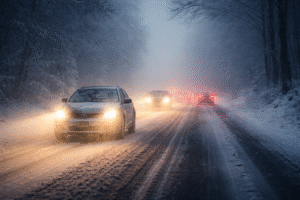
One of the most important factors that affects road visibility during the winter is the use of headlights. In Pennsylvania, shorter days and longer nights mean that more drivers rely on their vehicle headlights. However, headlights, while essential for illuminating the road ahead, can also make driving conditions worse during winter.
In snowy and rainy conditions, headlights reflect off the wet road or accumulated snow, creating a glare that can make it even harder to see. This is especially problematic at night or during low-visibility conditions like heavy snowfall. When the roads are covered in snow, the light from your headlights can bounce off the ground, causing temporary blindness or making it difficult to distinguish between road signs, curves, and other vehicles. Additionally, headlights that are not properly aligned can blind oncoming drivers, increasing the risk of accidents.
Another common issue occurs when headlights are dirty or obscured by ice and snow buildup. A vehicle’s headlights must be clean and in good working order to ensure they can provide maximum visibility. If headlights are obstructed by dirt, ice, or snow, their ability to illuminate the road is significantly diminished, which can increase the likelihood of a crash.
Fog: A Hidden Danger on Pennsylvania Roads
Another significant factor contributing to poor visibility on Pennsylvania roads in winter is fog. Fog reduces visibility to just a few feet, and it can appear suddenly. In some cases, fog can form overnight or in the early morning hours when temperatures are particularly low, making it harder for drivers to see pedestrians, other vehicles, or road signs.
Driving in fog is especially dangerous because it often appears out of nowhere, and drivers may not be prepared for the drastic reduction in visibility. Fog can occur when warm air meets colder surfaces, such as a road covered with snow or ice. As a result, drivers can find themselves in a situation where they cannot see past the front of their car, and even with headlights on, the fog can diffuse the light, making it ineffective.
In foggy conditions, it is essential to reduce your speed and use fog lights or low-beam headlights, which are designed to help you see the road and avoid blinding other drivers. High-beam headlights are particularly dangerous in fog because they reflect off the particles in the air, which can actually worsen visibility.
“Highly Recommended” is the epitome of an understatement when it comes to the firm of McDonald At Law!! Michael McDonald’s genuine pleasant, and empathetic demeanor masks his legal astuteness, and the level of aggressiveness he implements in pursuit of a victim’s right and the monetary compensation legally entitled to us. I was involved in a motor vehicle accident at the hands of an intoxicated driver in York County. In my case I suffered what I described as an atypical injury, Mr. McDonald offered to be my Lawyer immediately after explaining to him the events leading to and after being struck in turn causing me to have a heart attack, when another law firm seemed hesitant. McDonald At Law secured a sizable monetary compensation that not only met my expectation but exceeded it. Mr. McDonald’s wealth of experience, and legal prowess is priceless and never did he act as the case was beneath his practice. In the end my family and I were well compensated, but also felt justified. Thank you McDonald At Law!!- Miguel Lopez
Glare: How Nighttime Driving Becomes a Challenge
Glare from other vehicles’ headlights is another contributing factor to poor visibility during Pennsylvania’s winter months. This is particularly dangerous when snow and ice are present on the roads, as the reflective surfaces amplify the headlights of other vehicles. When drivers are faced with oncoming headlights, the intense light can momentarily blind them, making it difficult to see the road or react to sudden changes in traffic or road conditions.
When snow or rain is present on the road, headlights from other vehicles bounce off these surfaces, causing a glare that can make it challenging to distinguish the lane markings or objects on the side of the road. Even during the daytime, low-angle sunlight combined with snow can create a similar blinding effect. This glare, especially during the morning and late afternoon hours, can make it difficult to see through the windshield or view obstacles ahead, increasing the risk of a collision.
To minimize glare when driving at night, it is crucial to adjust your mirrors to reduce the amount of light reflecting into your eyes. Additionally, ensure that your windshield is clean and free from ice and snow to prevent any additional light distortion. Using your car’s sun visors can also help reduce glare from both headlights and sunlight.
Putting off an Attorney due to Cost Choosing a Personal Injury AttorneyRelated Videos
Strategies for Reducing Winter Driving Hazards
While you can’t change the weather, there are a number of strategies that drivers can use to improve visibility and reduce the risk of accidents during the winter months. Here are a few essential tips to consider when driving in winter conditions:
1. Maintain Proper Headlight Alignment
Headlights that are misaligned can create a significant safety hazard, not only for you but also for other drivers on the road. Ensure your headlights are properly aligned, as they can be disrupted by rough driving or wear over time. Misaligned headlights can cause glare for other drivers and reduce your ability to see road hazards. Regular maintenance and inspections of your vehicle’s lighting system can ensure that your headlights provide optimal visibility.
2. Use Your Fog Lights Appropriately
In foggy conditions, fog lights can make a world of difference. These lights are specifically designed to shine low to the ground, providing better illumination in fog, snow, and rain. Avoid using high beams in fog, as they reflect off the fog and worsen visibility. Instead, use low beams or fog lights to maintain control over your vehicle and avoid accidents caused by visibility issues.
3. Slow Down and Increase Following Distance
One of the most important things you can do when driving in reduced visibility conditions is to slow down. When you can’t see as far ahead of you, it’s crucial to reduce your speed and increase the distance between you and the vehicle in front of you. This extra distance gives you more time to react to any obstacles or sudden changes in traffic flow, which can help prevent accidents.
Verdicts & Settlements
4. Clean Your Windshield and Mirrors Regularly
In winter, dirt, ice, and snow can build up on your windshield and mirrors, impairing your ability to see clearly. Take the time to regularly clean your windshield, mirrors, and headlights. A clean surface allows your headlights to shine brighter and reduces glare caused by dirt or snow. If conditions are especially icy, keep an ice scraper and a de-icing solution in your vehicle to ensure your windshield remains clear.
5. Prepare for Emergencies
It’s always important to be prepared for emergencies, especially during the winter months. If you do get into an accident due to poor visibility, ensure that you stay calm, assess your situation, and call for medical assistance if needed. It’s important to document the scene by taking pictures and writing down details about the weather and road conditions. If the accident is caused by visibility issues, be sure to report it to the authorities.
At McDonald At Law, we have extensive experience handling accident claims that result from poor visibility conditions in winter weather. If you’ve been injured in a crash due to reduced visibility on Pennsylvania roads, our attorneys are here to help you understand your rights and fight for the compensation you deserve.
What to Do After a Winter Accident in Pennsylvania
If you’ve been involved in an accident during the winter months due to poor visibility, there are a few key steps you should take to protect your legal rights:
- Seek Medical Attention: Your health and safety are the top priority. Even if you don’t feel injured, seek medical attention as soon as possible. Some injuries may not become apparent until later.
- Report the Accident: Call the police and file a report, as this will be critical for any potential claims. Be sure to mention any visibility issues, such as fog or glare, that may have contributed to the accident.
- Collect Evidence: Take photos of the scene, including the weather conditions, damage to your vehicle, and any relevant road signs or signals. This documentation can help strengthen your case.
Contact a Personal Injury Lawyer: If you’ve been injured in a winter driving accident, it’s important to speak with a personal injury lawyer. At McDonald At Law, we can guide you through the legal process and ensure you receive the compensation you deserve.
To learn more about this subject click here: Look out for signs of shock after a crash

 |


 |