
Winter in Pennsylvania can bring some of the most hazardous road and sidewalk conditions, particularly with black ice and snowpack. Both of these weather-related conditions present dangers that can lead to serious accidents, but they affect injury claims in distinct ways. At McDonald At Law, we know the nuances involved in pursuing injury claims after an accident caused by winter hazards. Understanding how these two winter weather conditions differ can play a critical role in the success of your case and ensure you’re taking the right steps toward recovery and compensation.



Understanding Black Ice and Snow Pack: The Key Differences 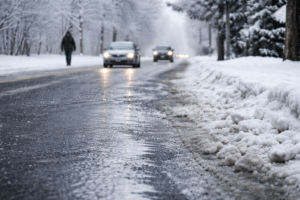
When winter conditions lead to personal injuries, understanding the nature of the cause is crucial. Black ice and snowpack each bring unique challenges that influence the level of danger they present to the public. Whether you’re walking on a sidewalk or driving down a snow-covered road, these conditions require different responses, and they have varying impacts on liability in personal injury cases.
What Is Black Ice?
Black ice is a thin layer of ice that forms when snowmelt or rain freezes, often on roads, sidewalks, or driveways. It’s called “black” because it’s typically transparent and takes on the color of the surface beneath it, making it nearly invisible to pedestrians and drivers alike. This invisibility is what makes black ice particularly hazardous—many people don’t realize it’s there until it’s too late. The slick surface it creates can cause anyone to lose control, leading to falls or accidents that can result in serious injuries like broken bones, head injuries, and even more severe consequences in the case of a vehicle collision.
For drivers, black ice often strikes at night or during early mornings when temperatures dip, making it difficult to detect. When a vehicle hits black ice, the loss of control can lead to crashes that involve other vehicles, barriers, or even pedestrians.
What Is Snow Pack?
Snowpack, on the other hand, is the accumulation of snow that has been compacted over time due to traffic, weather, or other factors. Unlike black ice, snowpack is much more visible, though it can still create dangerous conditions. A snow-packed road or sidewalk can lead to slipping accidents, especially if the snow is left untreated and becomes hardened, making walking or driving more difficult. In the case of vehicles, snowpack can cause cars to slide or get stuck, leading to accidents or delays.
Snowpack is more predictable than black ice, as it’s visible, and people can take preventive measures such as salting driveways or clearing walkways. However, the danger still lies in the neglect of snow removal and the compaction of the snow as it turns into hard ice over time.
“Highly Recommended” is the epitome of an understatement when it comes to the firm of McDonald At Law!! Michael McDonald’s genuine pleasant, and empathetic demeanor masks his legal astuteness, and the level of aggressiveness he implements in pursuit of a victim’s right and the monetary compensation legally entitled to us. I was involved in a motor vehicle accident at the hands of an intoxicated driver in York County. In my case I suffered what I described as an atypical injury, Mr. McDonald offered to be my Lawyer immediately after explaining to him the events leading to and after being struck in turn causing me to have a heart attack, when another law firm seemed hesitant. McDonald At Law secured a sizable monetary compensation that not only met my expectation but exceeded it. Mr. McDonald’s wealth of experience, and legal prowess is priceless and never did he act as the case was beneath his practice. In the end my family and I were well compensated, but also felt justified. Thank you McDonald At Law!!- Miguel Lopez
How Black Ice and Snow Pack Affect Injury Claims in Pennsylvania
In Pennsylvania, the way an accident occurs can significantly impact the success of an injury claim. With winter accidents, the conditions under which they happen—whether from black ice or snowpack—can influence who is found liable and how compensation is awarded.
Black Ice and Injury Claims: Complexities and Challenges
One of the most significant issues with black ice is its unpredictability. Because it’s often hidden from view, property owners and drivers may not be aware that black ice has formed, which complicates injury claims. In Pennsylvania, property owners are expected to maintain safe premises, which includes removing ice and snow in a timely manner. However, proving that black ice was present and caused the accident can be challenging.
- Liability for Property Owners:
In cases where a pedestrian falls due to black ice on a property, the owner’s responsibility to maintain safe conditions comes into play. However, since black ice is so difficult to detect, it may be difficult to prove that the property owner failed to act appropriately.- Snow and Ice Removal Requirements:
Under Pennsylvania law, property owners are required to remove snow and ice from their sidewalks, driveways, and parking lots, but they are not expected to anticipate black ice formation. If a property owner fails to remove snow or salt an area properly, they could be held liable for any resulting injuries.
- Snow and Ice Removal Requirements:
- Insurance Issues with Vehicle Accidents:
In the case of a vehicle accident caused by black ice, insurance companies may argue that the driver should have been more cautious. Pennsylvania follows a comparative negligence rule, meaning that the victim’s share of fault can reduce the compensation. However, the presence of black ice can sometimes shift the balance toward the driver being less responsible, as the condition might have been impossible to foresee.
Putting off an Attorney due to Cost Choosing a Personal Injury AttorneyRelated Videos
Snowpack and Injury Claims: More Predictable but Still Dangerous
While snowpack is easier to see and avoid, it can still lead to significant injuries. The visibility of snowpack makes it easier for pedestrians and drivers to recognize, but that doesn’t eliminate the danger. When snow accumulates on walkways and roads, property owners must clear it promptly, or they risk liability for accidents that happen due to neglect.
- Liability for Property Owners:
As with black ice, property owners are required to clear snow from walkways within a reasonable time after a snowfall. Failure to do so could make the property owner liable for slip and fall injuries. Snowpack is easier to detect than black ice, so property owners are generally expected to act sooner to remove it. - Snow-related Car Accidents:
For drivers, snowpack can be a significant issue, particularly if it’s compacted and hard, making roads more difficult to navigate. While snowpack accidents are less severe than black ice-related crashes, they can still result in serious injuries. Snowplows and salting are essential to keeping roads safe, and if a snowstorm makes driving treacherous and public authorities fail to respond in time, those responsible could be held liable.
Verdicts & Settlements
What to Do If You’re Injured on Black Ice or Snowpack
If you’re injured in an accident caused by black ice or snowpack in Pennsylvania, you have the right to seek compensation. Here are some crucial steps to take to protect your rights and pursue a claim:
- Report the Accident:
If you slip and fall due to black ice or snowpack, make sure to report the accident to the property owner or their representative immediately. Document the weather conditions and any other contributing factors to the incident. - Document the Scene:
Take photos of the scene, focusing on the icy or snowy conditions that contributed to the accident. If you are involved in a vehicle accident, make sure to document the surrounding road conditions and any other vehicles involved. - Seek Medical Attention:
Always seek immediate medical attention after an accident, even if the injury seems minor. Some injuries may not be immediately visible, and having a medical report on file can strengthen your claim. - Consult with an Attorney:
Injury claims resulting from black ice and snowpack are complex and require expertise in personal injury law. A skilled attorney at McDonald At Law can help you understand your options and ensure that you receive the compensation you deserve.
Understanding Winter Hazards and Protecting Your Rights
In Pennsylvania, winter conditions can lead to accidents caused by both black ice and snowpack. Though snowpack is more visible, black ice is far more dangerous due to its invisibility. In both cases, property owners and government authorities have a responsibility to maintain safe conditions. However, proving liability and pursuing compensation can be challenging. If you’ve been injured due to winter weather hazards, it’s crucial to understand the nuances of your case and work with an experienced attorney.
At McDonald At Law, we are committed to helping Pennsylvania residents navigate the complexities of personal injury claims related to winter weather. Our team is here to ensure that you understand your legal rights and can take the necessary steps toward recovery. Contact us today for a consultation and let us guide you through the legal process with expertise and care.
To learn more about this subject click here: How Crash Scene Photos Strengthen Your Injury Claim

 
 |


 |